


Hair thinning can feel deeply personal, impacting more than appearance. At Simple Beauty Studio in Naples, we offer a regenerative approach to hair restoration that supports your confidence without surgery or daily medication. Platelet-Rich Plasma (PRP) therapy harnesses your body’s natural healing potential to stimulate growth at the root.
This treatment is part of our commitment to beauty that fits real life, safe, personalized, and guided by expert hands. If you’ve noticed shedding, receding areas, or overall density changes, PRP may be a powerful next step in your wellness journey.
What is PRP Hair Treatment, and How Does It Work?
Platelet-rich plasma therapy taps into the body’s natural healing system to help stimulate hair growth. It begins with a small blood draw, which is then placed into a centrifuge to separate and concentrate the platelets, those tiny powerhouses rich in growth factors.
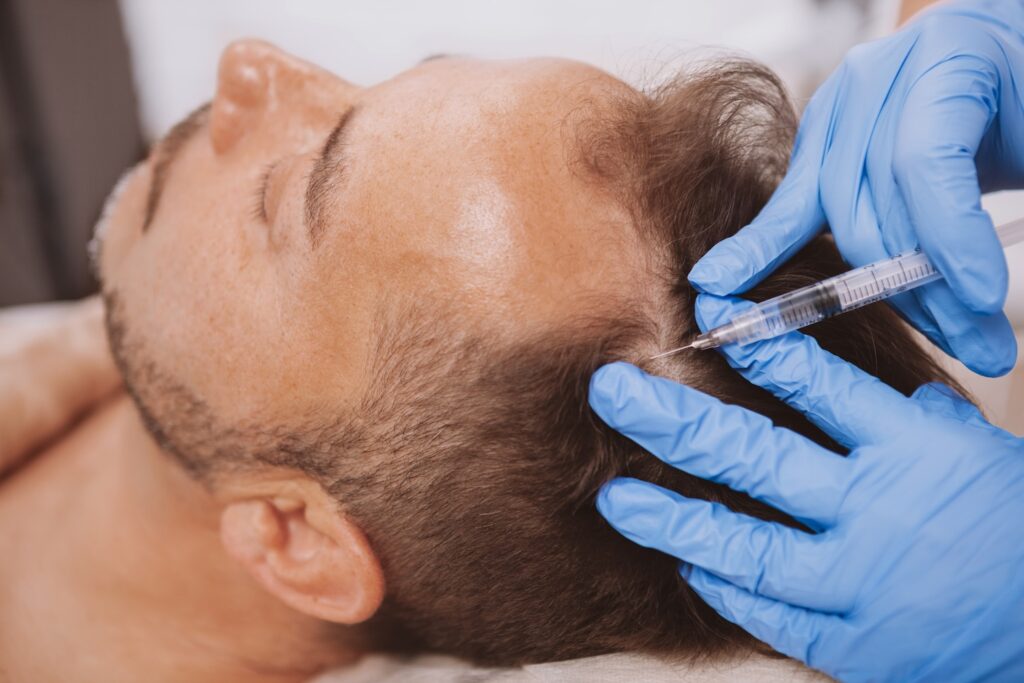
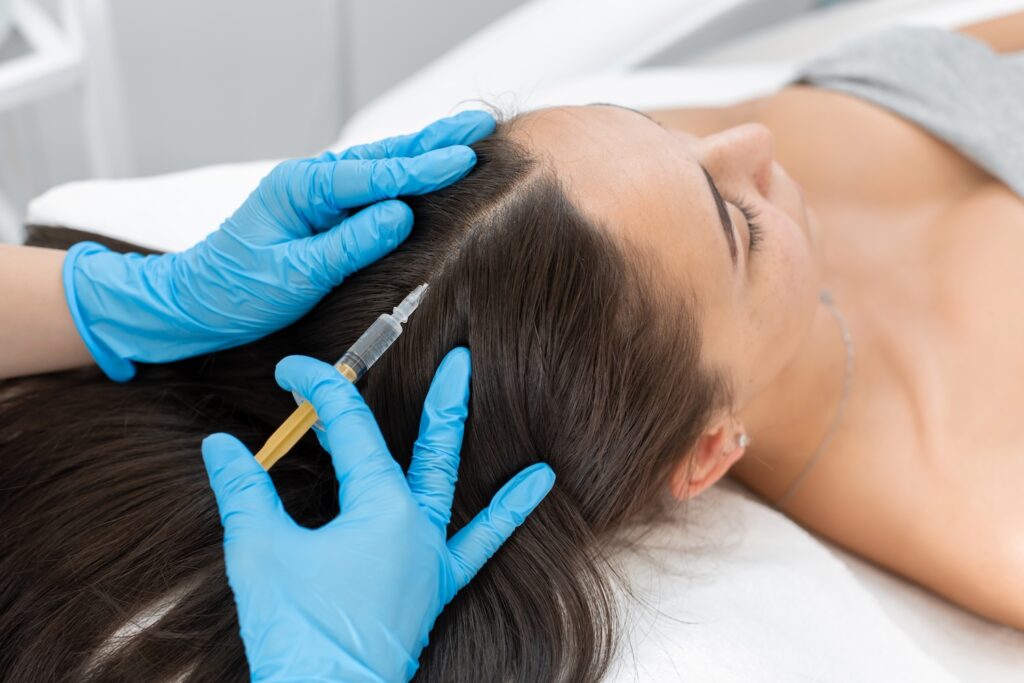
This nutrient-dense plasma is then gently injected into targeted areas of the scalp, where it gets to work encouraging follicle activity and supporting stronger, thicker strands. Think of it as a natural reset button for your scalp, powered by your own healing potential.
Because PRP is derived from your own blood, it’s considered a low-risk, body-derived therapy that integrates seamlessly with your system. It’s a science-backed, elegant way to approach hair restoration using what your body already knows how to do.
This regenerative method has grown in popularity as more people explore natural hair restoration methods that don’t involve transplants or medications.
Why PRP is Gaining Ground as a Hair Loss Therapy
PRP therapy offers a thoughtful solution for women and men seeking subtle yet significant improvements in hair density. Unlike surgical procedures or topical regimens with long lists of side effects, PRP is minimally invasive and designed to support gradual, sustainable improvement over time.
At Simple Beauty Studio, we’ve seen PRP become especially valuable for clients experiencing:
- Hormonal thinning
- Postpartum hair shedding
- Early-stage androgenetic alopecia (pattern-related hair loss)
This non-invasive alopecia treatment is ideal for those searching for a biocompatible, low-maintenance approach to restoring confidence through hair density.
By focusing on early intervention and consistent care, PRP offers a meaningful path forward for those navigating hair loss with sensitivity and intention.
Who is a Good Candidate for PRP Hair Restoration in Naples?
Hair loss impacts each person in a unique way, and so does our approach to treatment. That’s why we begin every PRP journey with a personal consultation led by one of our licensed MedSpa providers.
Clients who typically benefit from PRP include:
- Individuals notice a gradual thinning near the crown or hairline
- Women navigating hormonal shifts or postpartum changes
- Men seeing early signs of receding or density loss
During your consultation, one of our expert injectors, Deavan Taylor, Nicole Houser, or Lindsay Edwards, will assess your scalp health, discuss your goals, and develop a treatment plan tailored to your needs.
Our providers are experienced in medical aesthetics and approach hair restoration with a balance of advanced training and client-centered care.
PRP hair treatment at our Naples studio is a great fit for those seeking a natural hair loss solution that feels both effective and empowering.
What to Expect: Step-by-Step PRP Hair Therapy at Simple Beauty Studio
We’ve streamlined the PRP process to make it as comfortable and accessible as possible, while still delivering the high-touch experience our MedSpa is known for.
Here’s what your session will look like:
- Blood Draw – A small sample is collected in-studio
- Centrifuge – Your blood is spun to concentrate the platelet-rich plasma
- Scalp Injections – After numbing, the plasma is injected into areas of concern
- Stimulation Begins – Growth factors nourish follicles and support regeneration
- Series of Sessions – Most clients complete 3–4 sessions spaced 4–6 weeks apart
Each appointment takes about 60 minutes from start to finish. Maintenance sessions are typically recommended every 6 to 12 months to keep results progressing.
For enhanced outcomes, PRP can be paired with microneedling treatments to amplify collagen production and increase absorption of growth factors across the scalp.
This layered approach provides a powerful boost for those ready to invest in long-term hair health with minimal disruption to their daily routine.
Before and After PRP Hair Restoration
Hair restoration is rarely about vanity, it’s about feeling confident in your own skin. That’s why clients often describe PRP therapy as more than a treatment. It’s a return to comfort, consistency, and self-assurance.
At Simple Beauty Studio, we’ve seen clients begin noticing less shedding in as little as 2 to 3 months. Over the next several weeks, hair often begins to feel fuller, denser, and stronger, with the most visible transformation appearing between 4 to 6 months.
Long-term, we recommend maintenance sessions every 6 to 12 months to continue supporting follicle health and hair density over time.
Each journey is unique, but the goal is always the same: to restore a sense of confidence and ease.
What Are the Risks, Costs & Considerations?
PRP therapy is widely recognized for its low risk and high compatibility, since it uses your own blood to stimulate regrowth. Most clients experience little to no downtime after each session. Some may notice mild swelling or tenderness at the injection site, which typically resolves within a day or two.
Cost Overview
While pricing can vary based on treatment plan and provider, PRP hair sessions at most practices range between $400 and $1,500 per session. Multiple sessions are usually recommended for optimal results.
PRP is considered an “off-label” use when applied to hair loss, though it has been FDA-cleared for orthopedic healing. It’s important to choose providers who specialize in both aesthetic care and client safety, like our medical team here in Naples.
Quick Comparison Table
| PRP Therapy | Hair Transplant | Minoxidil (Topical) | |
| Natural | Body-derived | Surgical | Synthetic |
| Invasiveness | Non-invasive | Surgical downtime | Topical daily use |
| Results | Gradual build | Immediate fill-in | Temporary results |
| Maintenance | 6–12 months | Minimal | Daily commitment |
PRP vs. Other Hair Loss Solutions: What’s Right for You?
Hair loss care is not one-size-fits-all. PRP therapy can often be combined with or considered alongside other options, depending on your stage of thinning and your lifestyle.
- PRP vs. Finasteride/Spironolactone
These prescription medications help block hormone-related hair loss but come with systemic side effects. PRP is a natural, localized solution. - PRP vs. Minoxidil
Minoxidil must be used daily and works best for ongoing shedding, not regrowth. PRP offers deeper stimulation with fewer daily demands. - PRP vs. LLLT (Laser Therapy)
Light therapy is non-invasive but often requires long-term, frequent use. PRP may yield faster results with fewer sessions. - PRP vs. Hair Transplant Surgery
Transplants relocate existing follicles and are typically best for advanced hair loss. PRP is ideal for stimulating dormant follicles before surgery becomes necessary.
PRP also supports postpartum hair restoration and female pattern thinning, both of which are often under-discussed in traditional hair loss conversations. At our Naples MedSpa, we create space for all clients to feel seen and supported, no matter the cause of their hair concerns.
Why Naples Clients Trust Simple Beauty Studio for PRP Hair Restoration
Simple Beauty Studio is more than a MedSpa. It’s a trusted destination where beauty feels approachable, results are rooted in expertise, and care is always personal.
Led by a female-driven medical team, our approach to hair restoration blends advanced techniques with warmth, education, and honesty. We listen before we treat, and we always tailor care to your story.
Whether the concern is hormonal thinning, stress-related shedding, or early signs of pattern baldness, our team provides ongoing support through memberships that make maintenance simple and affordable.
Ready to Reclaim Thicker, Healthier Hair?
We invite you to start with a personalized PRP consultation at our Naples MedSpa, where hair care meets clarity, and beauty feels fully yours.
FAQs About PRP Hair Therapy
How long does it take to see results from PRP hair treatment?
Most clients begin noticing reduced hair shedding within 2 to 3 months after starting PRP therapy. Visible improvements in thickness and fullness typically develop around 4 to 6 months, with continued results supported by routine maintenance.
Is PRP hair restoration permanent?
PRP is not a permanent solution, but it offers long-term benefits when maintained properly. To sustain results, most clients return for booster treatments every 6 to 12 months. Think of PRP as an ongoing investment in hair health, much like skincare or dental cleanings.
How many PRP sessions do I need for hair regrowth?
A typical PRP hair restoration plan includes 3 to 4 initial treatments, spaced 4 to 6 weeks apart. Your provider will create a schedule based on your hair loss pattern, goals, and how your scalp responds.
Who should not get PRP for hair loss?
PRP hair treatment may not be recommended for individuals with:
- Active scalp infections
- Blood clotting disorders
- Low platelet counts
- Autoimmune scalp conditions
- Pregnancy or breastfeeding
During your consultation, your provider will review your medical history to ensure PRP is safe and appropriate for you.
Can I wash my hair after PRP therapy?
Yes, you can gently shampoo your hair 24 hours after your PRP session. Avoid hot water, harsh products, or vigorous scalp massage for the first day. Your provider will give you detailed aftercare instructions tailored to your treatment plan.
Can PRP help with traction alopecia or scarring alopecia?
PRP may support early-stage traction alopecia by reducing inflammation and stimulating dormant follicles. For scarring alopecia, results can vary depending on how much follicular damage has occurred. A thorough scalp assessment will help determine if PRP is a suitable option.