


Watching your hair become thinner can feel like a gradual change that suddenly becomes impossible to ignore. You may notice more strands left behind in the shower, a widening part, reduced volume when styling your hair, or areas of the scalp becoming more visible than they used to be. Hair loss affects both men and women, and while it can happen for many reasons, it often impacts confidence just as much as appearance.
Fortunately, advancements in aesthetic medicine have expanded the options available for people looking to support healthier, fuller-looking hair. One of those options is KeraFactor, an innovative hair restoration treatment designed to nourish the scalp with specialized growth factors while encouraging a healthier environment for existing hair follicles. Rather than masking thinning hair, KeraFactor focuses on supporting the scalp and follicles to promote stronger, healthier hair over time.
If you’re exploring solutions for thinning hair and wondering whether KeraFactor may be right for you, keep reading. Understanding what the treatment involves, who benefits most, and what you can realistically expect can help you make a more informed decision about your hair restoration journey.
What Is KeraFactor?
Before deciding whether this treatment fits your needs, it’s helpful to understand how KeraFactor works. KeraFactor hair treatment is a non-surgical hair restoration procedure that combines advanced growth factor technology with a specialized delivery system to support healthier hair follicles.
The treatment is designed to improve the scalp environment while encouraging existing follicles to function more effectively. Unlike treatments that simply camouflage thinning hair, KeraFactor focuses on improving the conditions that support healthier hair growth.
Depending on the treatment plan, KeraFactor may help:
- Support healthier hair follicles
- Improve the appearance of thinning hair
- Encourage fuller-looking hair over time
- Promote scalp health
- Complement other professional hair restoration therapies
- Provide a non-surgical option for appropriate candidates
One reason many patients are interested in KeraFactor hair restoration is that it requires little interruption to daily life while fitting into a personalized hair restoration plan.
Before treatment begins, your provider performs a comprehensive consultation to evaluate your scalp, discuss your goals, review your medical history, and determine whether KeraFactor is the most appropriate option for your situation.
What to Expect and the Good Candidate
Hair loss looks different for every patient. Some individuals notice gradual thinning across the scalp, while others develop widening parts or decreased density in specific areas. Because every pattern of hair loss has its own underlying cause, professional evaluation is one of the most important parts of the process.
Understanding How KeraFactor Works
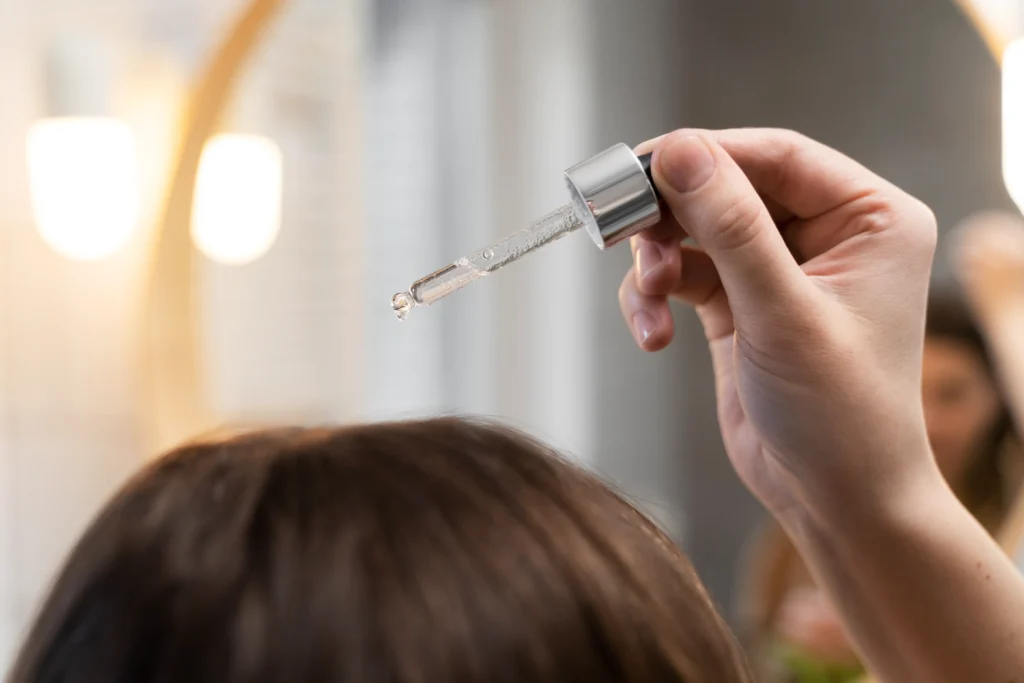
KeraFactor approaches hair restoration differently than treatments that simply replace hair. Instead of transplanting follicles or covering thinning areas, the treatment delivers a specialized blend of hair growth factors into the scalp using advanced delivery technology.
Growth factors are naturally occurring proteins that help regulate cellular communication throughout the body. Within hair restoration, they are used to support an environment where existing follicles can function more efficiently.
The treatment focuses on:
- Supporting follicle health
- Nourishing the scalp
- Encouraging healthier hair cycles
- Promoting stronger existing hair
- Improving overall scalp condition
It’s important to understand that KeraFactor works with existing follicles. Patients who still have active hair follicles often experience the greatest benefit because the treatment is designed to support hair that is already capable of growing.
Who Makes a Good Candidate?
Not everyone experiencing hair loss has the same underlying condition. Some forms of hair loss respond well to non-surgical treatments, while others require medical management or different restoration options.
Many good candidates for KeraFactor treatment for hair loss include patients who:
- Have mild to moderate hair thinning
- Notice gradual reduction in hair density
- Want a non-surgical approach
- Still have active hair follicles
- Are seeking early intervention
- Want to improve overall scalp health
- Have realistic expectations about gradual improvement
Patients who begin treatment earlier in the hair loss process often have more follicles available to support, making early evaluation especially valuable.
Patients Experiencing Early Hair Thinning
One of the best opportunities for successful treatment occurs before significant hair loss develops. Many patients initially notice:
- A wider part
- Reduced ponytail thickness
- More hair shedding than usual
- Less volume during styling
- Increased scalp visibility under bright lighting
These early signs often indicate that follicles are becoming less productive rather than disappearing completely. Because KeraFactor supports existing follicles, beginning treatment during these earlier stages may allow patients to preserve and strengthen the hair they still have.
For individuals seeking a hair thinning treatment, acting sooner rather than waiting for more advanced loss can provide additional treatment opportunities.
Men and Women May Both Benefit
Hair loss affects both genders, although the patterns often differ. Men frequently develop recession around the hairline or thinning at the crown. Women are more likely to notice diffuse thinning throughout the scalp or widening of the natural part.
KeraFactor may be considered for both men and women when appropriate after a professional evaluation. Rather than focusing solely on gender, providers evaluate:
- Hair density
- Scalp condition
- Hair loss pattern
- Medical history
- Family history
- Current medications
- Lifestyle factors
This individualized approach allows treatment recommendations to be tailored to each patient’s unique situation rather than applying the same plan to everyone.
What Happens During Treatment?
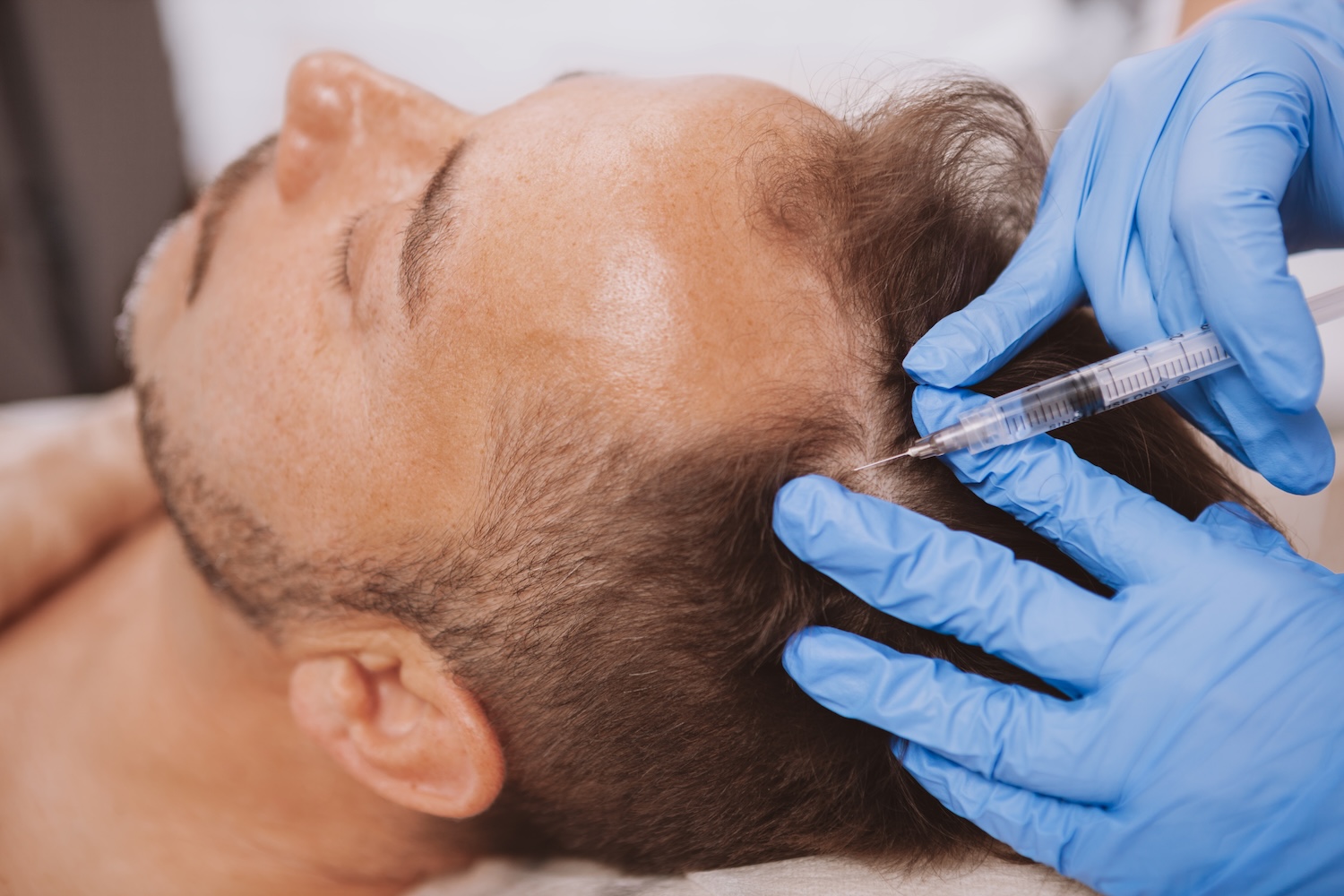
Understanding the treatment experience often helps patients feel more comfortable before their first appointment. Although individual protocols may vary, KeraFactor treatments generally begin with preparation of the scalp.
The specialized delivery system is then used to help the proprietary growth factor solution reach the treatment area. Most appointments are relatively comfortable and performed in an office setting. During treatment, patients may experience:
- Cleansing of the scalp
- Application of the treatment solution
- Specialized delivery technology
- Minimal discomfort
- Little interruption to normal activities afterward
Because no surgical incisions are involved, many patients appreciate that they can resume much of their routine shortly after the appointment.
Improvement Happens Gradually
Hair restoration requires patience. Unlike cosmetic treatments that produce immediate visible changes, hair follicles follow natural growth cycles that cannot be rushed.
Patients should understand that improvements develop gradually over time. Many individuals first notice:
- Reduced shedding
- Hair feeling healthier
- Improved texture
- Better overall density
- Fuller appearance during styling
As additional hair cycles progress, improvements often become more noticeable. This gradual timeline is completely normal and reflects the biology of healthy hair growth rather than a delayed treatment response.
Why More Than One Treatment Is Usually Recommended
Hair restoration is rarely a one-appointment process. Because follicles continuously move through growth, transition, and resting phases, repeated treatments allow the scalp to receive ongoing support throughout those cycles.
Many personalized hair restoration treatment plans involve a series of sessions followed by maintenance appointments when appropriate. Your provider may recommend treatment frequency based on:
- Degree of thinning
- Treatment goals
- Age
- Hair growth pattern
- Response to previous sessions
- Overall scalp health
Rather than expecting dramatic overnight changes, patients typically achieve the best outcomes by following the complete treatment plan recommended during their consultation.
Take the First Step Toward Healthier Hair
Hair loss can feel discouraging, but today’s treatment options offer more possibilities than ever before. KeraFactor provides a non-surgical approach that supports healthier follicles, encourages stronger hair growth, and helps improve overall scalp health through advanced growth factor technology.
While results take time and every patient’s journey is different, many individuals appreciate its ability to promote gradual, natural-looking improvements without surgery or lengthy downtime. At Simple Beauty Studio in Naples, FL, every hair restoration journey begins with understanding your unique concerns, evaluating your scalp health, and creating a personalized treatment plan.
Whether you’re just beginning to notice thinning or you’re exploring professional options after trying other solutions, experienced guidance can help you determine whether KeraFactor is the right step toward fuller, healthier-looking hair.
Contact us today to book your consultation!