

Blog
Combining Hair and Medspa Services: Benefits and Planning
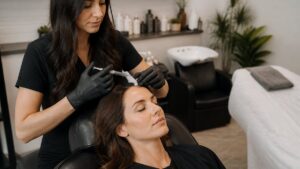
Learn how combining hair and medspa services streamlines your beauty routine. Discover scheduling tips, benefits, and how to maximize results.

Learn how combining hair and medspa services streamlines your beauty routine. Discover scheduling tips, benefits, and how to maximize results.

Looking for a naples skin clinic alternative? Compare 5 local options on credentials, services, pricing, and who each one fits best.
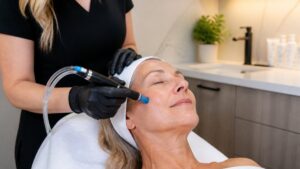
Discover HydraFacial benefits for aging skin, from hydration to softer fine lines. Learn results, side effects, and how often to book in Southwest Florida.

Looking for the best hair salon in North Naples? Compare services, prices, and what to ask before booking. Find your ideal salon fit today.
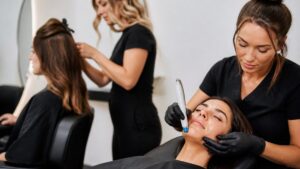
Discover why combining hair and skin services saves time and money. Learn the benefits of one-stop salon and spa visits for better results.

Learn how to find a medspa near you with our step-by-step guide. Verify credentials, compare services, and choose the right provider for your needs.
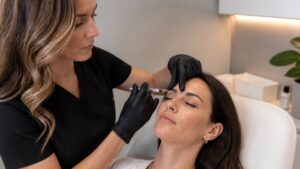
Getting botox for the first time? Learn what to expect, how to prepare, aftercare instructions, and how to find a qualified injector.
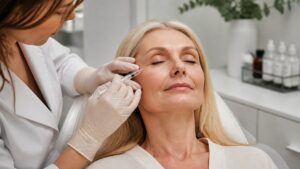
First time botox for women over 50 doesn’t have to be scary. Learn what to expect, realistic results at your age, and how to find the right provider.

A youthful face isn’t defined by smooth skin alone. Much of what gives the face its refreshed, healthy appearance comes from the natural contours beneath the surface, particularly through the cheeks. Over time, gradual volume loss in the midface can change the way the entire face looks. Cheeks may appear flatter, the jawline less defined, and folds around the nose and mouth may become more noticeable, even if your skin is still in good condition. That’s why many patients are surprised to learn that restoring volume to the cheeks can improve overall facial balance without changing what makes them look like themselves. Cheek filler is designed to rebuild structural support where age-related volume has diminished, helping create softer transitions, improved facial contours, and a naturally refreshed appearance. If you’ve noticed subtle changes in your face but aren’t interested in surgery, keep reading. Understanding how fillers work can help you see why restoring the midface is often the foundation of a more youthful-looking result. What Is Cheek Filler? Healthy facial contours depend on more than smooth skin. Cheek filler is a type of dermal filler that is carefully placed in the midface to restore lost volume, improve facial structure, and enhance natural contours. Rather than focusing only on individual wrinkles, cheek filler addresses the underlying support that gradually diminishes as collagen, fat, and bone volume naturally change with age. By strategically restoring midface volume, providers can create subtle improvements that help the face appear more balanced and refreshed. Depending on the patient’s anatomy and goals, cheek filler may be used to: Because every face ages differently, treatment is customized to each patient’s facial structure instead of following a standard formula. How Cheek Filler Rebuilds a Youthful Foundation Beautiful facial rejuvenation often begins in the center of the face. By restoring support where volume has gradually diminished, cheek filler can improve overall facial balance while maintaining natural-looking results. 1. It Restores Lost Support Youthful cheeks naturally provide structure for the rest of the face. As we age, fat pads shift, collagen production slows, and facial bone changes gradually reduce support in the midface. These changes contribute to a softer facial shape even before deeper wrinkles appear. One of the primary goals of facial volume restoration is rebuilding this lost support. Instead of simply filling individual lines, providers carefully replace volume where it has naturally diminished, helping restore facial proportions while maintaining a balanced appearance. This structural approach often creates improvements that extend beyond the cheeks themselves. 2. It Lifts the Midface Naturally A refreshed appearance doesn’t always require dramatic changes. When volume returns to the cheeks, surrounding facial features often appear better supported. Patients frequently notice subtle improvements involving: Rather than creating an exaggerated appearance, restoring natural volume in the midface helps the face reflect its original contours more closely. This is one reason providers frequently view the cheeks as one of the most important starting points during facial rejuvenation planning. 3. It Creates Better Facial Balance Every feature on the face works together. If one area loses support, neighboring features may appear more prominent even when they haven’t changed themselves significantly. Restoring dermal filler cheeks allows providers to improve the relationship between: This balanced approach focuses on harmony rather than treating isolated concerns. Patients often find that subtle adjustments throughout the midface create a refreshed appearance without making any single feature look overdone. 4. It Softens the Appearance of Volume Loss Many patients initially focus on wrinkles. However, wrinkles are often only one visible result of bigger structural changes. As volume loss develops within the cheeks, the overlying skin has less support beneath it. By restoring that support, cheek filler may help soften the appearance of nearby folds while improving the overall contour of the face. Rather than stretching the skin or changing facial expressions, the treatment focuses on rebuilding the foundation underneath. 5. It Enhances the Cheekbones Well-defined cheekbones contribute to a youthful facial profile. That doesn’t mean creating dramatically high cheeks. Instead, thoughtful cheekbone enhancement focuses on restoring contours that may have gradually flattened with age. Small, carefully placed amounts of filler can improve facial definition while respecting each patient’s natural bone structure. This conservative approach helps create elegant facial contours that complement the rest of the face rather than drawing attention to the treatment itself. 6. It Supports Facial Contouring Facial rejuvenation isn’t simply about adding volume. It’s about placing volume where it’s most beneficial. Strategic facial contouring considers how the cheeks support surrounding facial features. Rather than treating every area individually, providers evaluate the face as a whole before recommending treatment. This comprehensive assessment helps determine where structural support has diminished and where subtle restoration may create the greatest overall improvement. 7. It Functions as a Structural Filler A youthful face depends on strong underlying support. Unlike fillers that primarily add softness to areas such as the lips, structural filler is placed strategically to reinforce the facial framework. The cheeks serve as one of the primary support points of the face, making them an ideal location for restoring age-related volume loss. By rebuilding this foundation, providers can create subtle improvements that influence the appearance of multiple facial features while preserving natural proportions. Rather than adding unnecessary fullness, the goal is to restore support where it has gradually diminished over time. 8. It Can Be Part of a Liquid Facelift Many patients want facial rejuvenation without surgery. That’s where the concept of a liquid facelift comes into play. A liquid facelift isn’t a single treatment but a customized combination of injectable procedures that work together to refresh the face. Cheek filler is often one of the key components because restoring midface support can improve overall facial harmony before addressing other areas. Depending on each patient’s goals, providers may combine cheek filler with treatments that soften expression lines or restore volume elsewhere in the face. This comprehensive approach focuses on achieving balanced, natural-looking results rather than changing one isolated feature. 9. It Respects Your Natural Features One of

Summer memories may fade, but the effects of months spent in the sun often linger on your skin. Even with diligent sunscreen use, increased UV exposure can leave behind uneven pigmentation, stubborn brown spots, redness, and a complexion that no longer looks as bright or balanced as it did before the season began. Many patients don’t notice these changes until autumn arrives and their tan fades, revealing the true extent of sun damage beneath the surface. That’s why fall is often considered the ideal season to focus on IPL treatments. Rather than simply covering discoloration with makeup or relying on skincare products alone, Intense Pulsed Light (IPL) targets pigment and vascular irregularities while supporting healthier, more even-looking skin over time. It’s a practical way to address the visible effects of summer and prepare your complexion for the months ahead. If your skin is showing signs of a long summer outdoors, keep reading. Understanding how IPL works and why autumn offers the perfect opportunity to begin treatment can help you plan your next step toward a brighter, more refreshed complexion. What Is IPL? Healthy, radiant skin starts beneath the surface. As shown in the reference above, Intense Pulsed Light (IPL) is an FDA-approved, non-invasive light-based treatment that uses multiple wavelengths of broad-spectrum light to improve skin tone and texture. Rather than targeting only the surface of the skin, IPL addresses pigment and blood vessels beneath the surface, helping improve the appearance of discoloration, sun damage, and vascular concerns. Unlike lasers that use a single wavelength, IPL delivers different wavelengths during the same session, allowing providers to address multiple skin concerns simultaneously. Depending on the patient’s needs, IPL may be recommended to improve: According to the reference, IPL works through several key processes: Because improvements develop gradually as the body naturally processes treated pigment, patients often notice progressive changes during the weeks following treatment. Why Fall Is the Perfect Season for IPL Fall offers more than cooler temperatures; it provides ideal conditions for repairing the visible effects of summer. By beginning treatment after the season of greatest sun exposure, patients can address pigmentation while giving their skin time to recover before holiday events and special occasions. 1. Summer Leaves Its Mark The effects of summer don’t always disappear when your tan fades. Months of ultraviolet exposure can stimulate excess melanin production, making freckles, age spots, and uneven pigmentation more noticeable as autumn arrives. Many patients seeking treatment for IPL sun damage are surprised to discover that discoloration becomes easier to see once their summer glow begins to fade. Common post-summer concerns include: Rather than waiting until these concerns become more noticeable, fall offers an excellent opportunity to begin sun damage repair while the skin transitions into a season with less intense sun exposure. 2. Cooler Weather Supports Treatment Timing matters when planning light-based procedures. Although sun protection remains essential year-round, many patients naturally spend less time outdoors during the fall compared to summer. Reduced recreational sun exposure makes it easier to follow post-treatment recommendations while supporting the skin’s natural healing process. For patients planning a photofacial fall treatment, this seasonal shift often fits comfortably into their skincare routine without competing with beach vacations, pool days, or extended outdoor activities. 3. Pigment Is Easier to Target As summer tans gradually fade, underlying pigmentation often becomes easier to distinguish. This allows providers to better evaluate concerns such as: Treating pigment after a tan has diminished also allows IPL to focus more precisely on unwanted melanin rather than recently tanned skin. This is one reason many providers consider fall an excellent season for pigmentation correction. 4. Holiday Skin Starts in September Beautiful holiday skin isn’t created overnight. IPL works by encouraging the body to naturally eliminate fragmented pigment over time. That gradual process means patients often benefit from planning ahead instead of waiting until just before important events. Beginning IPL in Naples during early fall gives your skin valuable time to respond before family gatherings, holiday parties, weddings, and seasonal photographs. Rather than seeking last-minute improvements, patients can enjoy gradual, natural-looking changes that continue developing throughout the season. 5. IPL Does More Than Treat Brown Spots Many people associate IPL exclusively with pigmentation. While brown spot removal is one of its most recognized benefits, the treatment can also address redness, visible blood vessels, and overall skin quality. Because IPL targets multiple concerns during the same session, many patients appreciate its ability to improve overall complexion rather than focusing on only one isolated issue. The result is often skin that appears brighter, clearer, and more balanced overall. 6. Collagen Support Is an Added Benefit Pigmentation isn’t the only change summer leaves behind. Sun exposure also contributes to collagen breakdown over time. As described in the reference, IPL stimulates collagen production beneath the skin, supporting gradual improvements in texture and overall skin quality. Although collagen remodeling develops more slowly than pigment changes, many patients appreciate that photorejuvenation offers benefits extending beyond discoloration alone. Skin may gradually appear: 7. Recovery Is Usually Minimal One reason IPL remains a popular seasonal treatment is that it generally involves little downtime for most patients. After treatment, it’s common to experience temporary redness or a mild sensation similar to a light sunburn. Pigmented spots may also appear darker before gradually flaking away as the skin naturally renews itself. This is a normal part of the treatment process and often indicates that the targeted pigment is responding. During IPL recovery, providers typically recommend: Because every patient’s skin responds differently, recovery timelines may vary depending on the treatment intensity and the concerns being addressed. 8. Multiple Treatments Often Produce Better Results Pigmentation rarely develops after a single sunny afternoon. Years of accumulated sun exposure often contribute to uneven skin tone, making gradual treatment a practical approach. For this reason, many providers recommend a series of IPL sessions rather than expecting every concern to resolve after one appointment. A customized treatment plan allows providers to evaluate how your skin responds between sessions while making